
Why Learn Individual Cursive Letters?
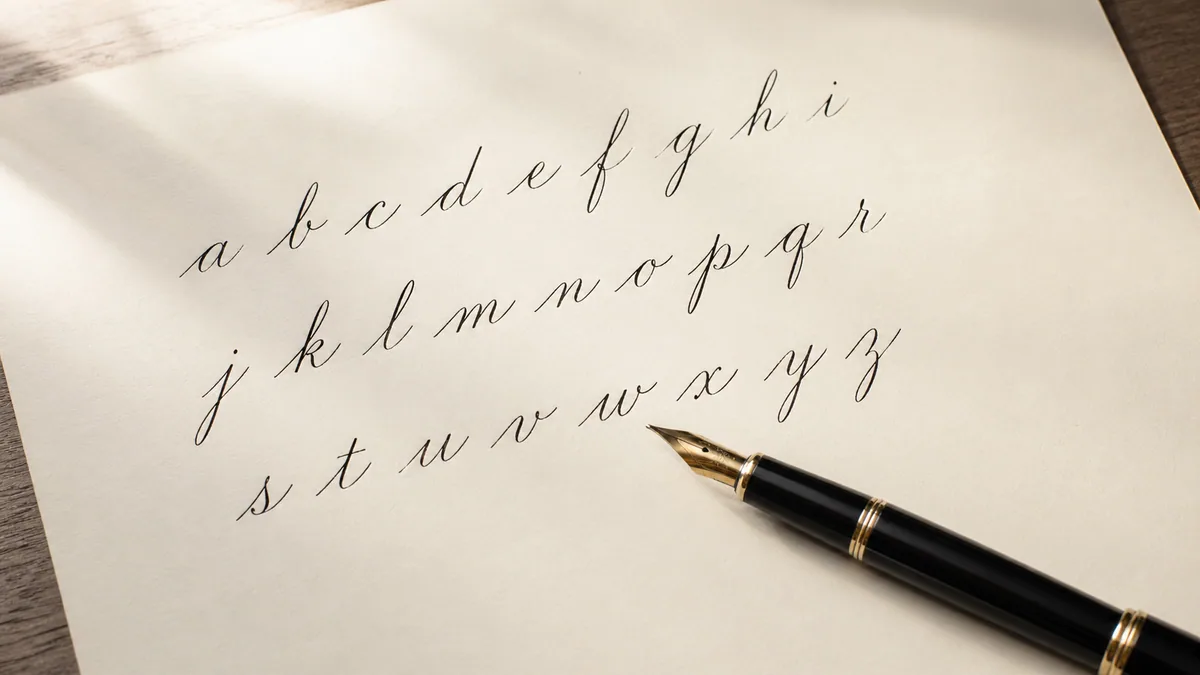
Each cursive letter has its own stroke pattern, common mistakes, and connection rules. By studying letters individually, you build the muscle memory needed for fluid cursive writing. Our guides break each letter down into clear steps — from the initial pen placement to the exit stroke that connects to the next letter.
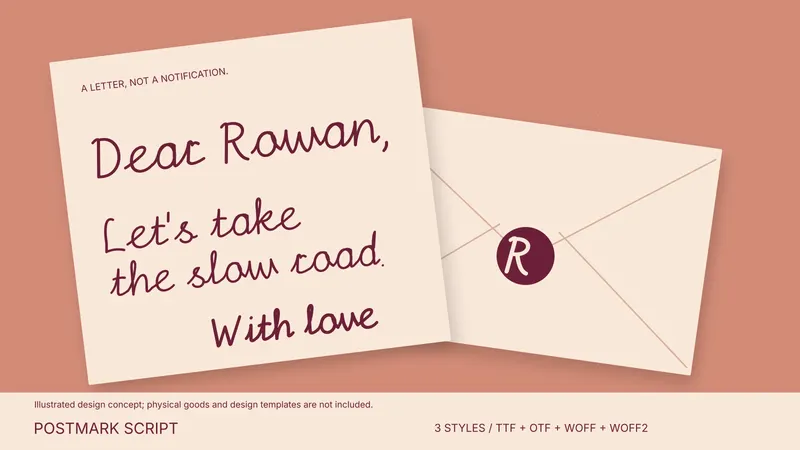
Every letter page shows you the character rendered in 30 different cursive fonts so you can see the full range of styles, from formal scripts like Pinyon Script and Great Vibes to casual handwriting styles like Caveat and Dancing Script.
How to Use These Guides
- Start with easy letters — letters rated “Easy” (like C, E, I, L, N, O) build foundational strokes you'll reuse everywhere.
- Study the font showcase — seeing each letter in 30fonts helps you understand which stylistic variations exist and which style suits your projects.
- Read the confusion pairs — many cursive letters look similar (a/o, n/m, g/q). Each guide explains exactly how to tell them apart.
- Practise connections — cursive isn't just individual letters; it's how letters flow together. Each guide lists easy and tricky letter pairs.
- Generate practice sheets — use our Practice Sheet Generator to create custom worksheets for the letters you find most challenging.
Prefer Print? Try Block Letters
If you're drawn to the geometric, architectural side of letterforms — poster design, signage, bullet-journal headers — work through our companion Block Letters A–Z series. Each letter has its own page covering uppercase & lowercase construction, optical kerning pairs, and confusion pairs to watch for. Many letterers train both scripts in parallel: block letters build a sense of structure and proportion, cursive builds rhythm and flow.
From Individual Letters to Full Words
Once you're comfortable with individual letter forms, move on to our Complete Calligraphy Alphabet Guide for multi-style comparisons, then practise full words and sentences with our Cursive Generation. For structured daily practice, try the 30-Day Calligraphy Challenge.
Keep practising on paper
For prepared lowercase copying, use the Marck Script workbook or try its free connector warm-up. Follow your chosen exemplar for stroke order; these pages show font shapes.
- Lowercase Mastery Workbook - Classic Cursive (Marck Script)$5 · 17 pages
- Lowercase Connector Warm-Up Sheet - Classic Cursive (Marck Script)Free · 1 page
Browse all free printables (no account needed), or see the paid packs in our shop.